Four decisions, in order
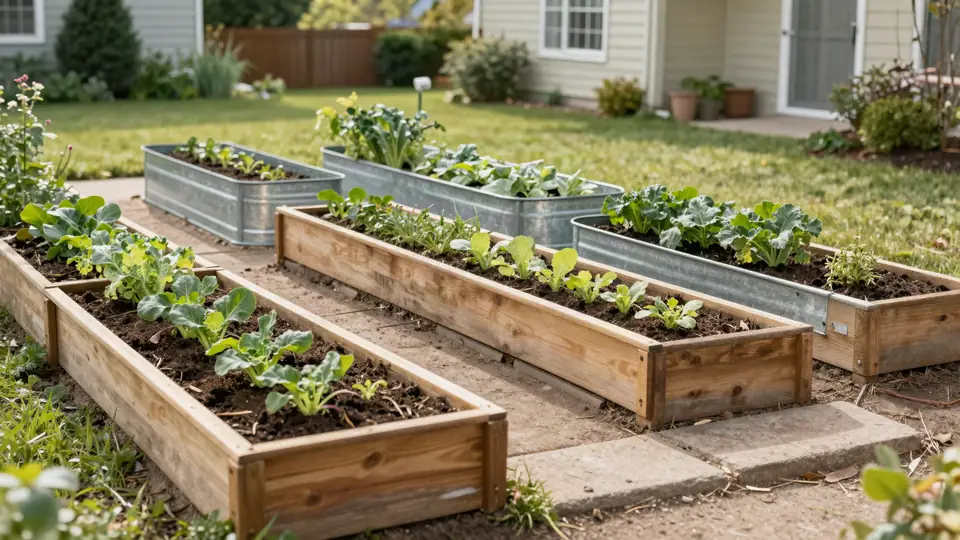
- Width. Pick a width you can reach across without stepping on the soil. University of Georgia Extension suggests 4 feet for adults who can reach from both sides. If a bed sits against a wall or fence, you only reach from one side, so about 2 feet is a safer limit.
- Height. A 12-inch bed suits most vegetables on decent ground. Go taller for comfort or bad soil, not by default, because soil volume rises quickly. See raised bed height for bad knees.
- Material. Wood, metal and composite differ mainly in lifespan and upfront cost. Our galvanized vs cedar comparison covers the trade-offs.
- Soil. Work this out before you pick a kit, since filling a bed can take more planning than building it. The soil calculator gives you volume, bag count and wet weight.
Common bed sizes and the soil they need
| Bed size | Depth | Soil volume | 1.5 cu ft bags |
|---|---|---|---|
| 2 × 4 ft | 12 in | 8 cu ft | 6 |
| 3 × 6 ft | 12 in | 18 cu ft | 12 |
| 4 × 4 ft | 12 in | 16 cu ft | 11 |
| 4 × 8 ft | 12 in | 32 cu ft (1.19 cu yd) | 22 |
| 4 × 8 ft | 18 in | 48 cu ft (1.78 cu yd) | 32 |
| 4 × 8 ft | 30 in | 80 cu ft (2.96 cu yd) | 54 |
Guides for specific situations
Raised Beds
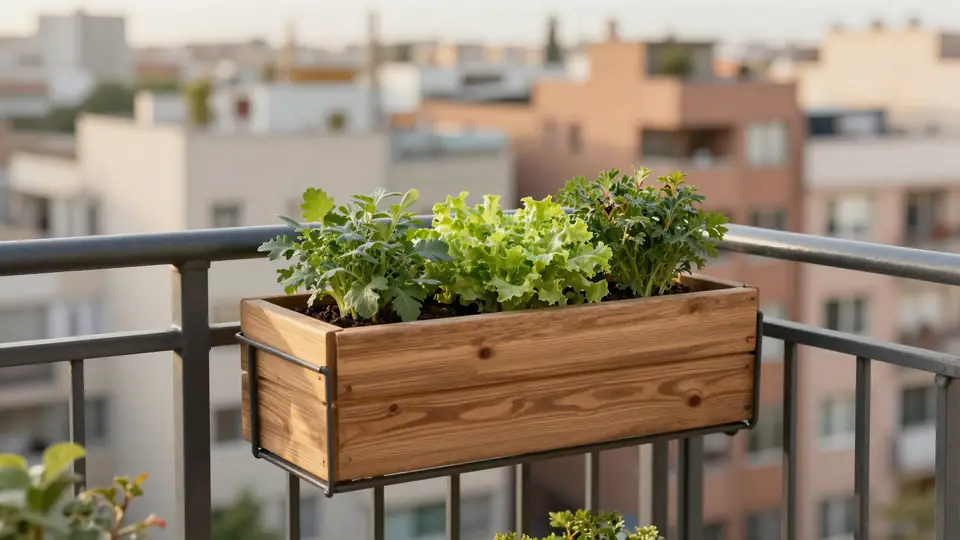
Elevated planter weight on a balcony
Work out the wet weight of a planter and what to ask your building.
Raised Beds
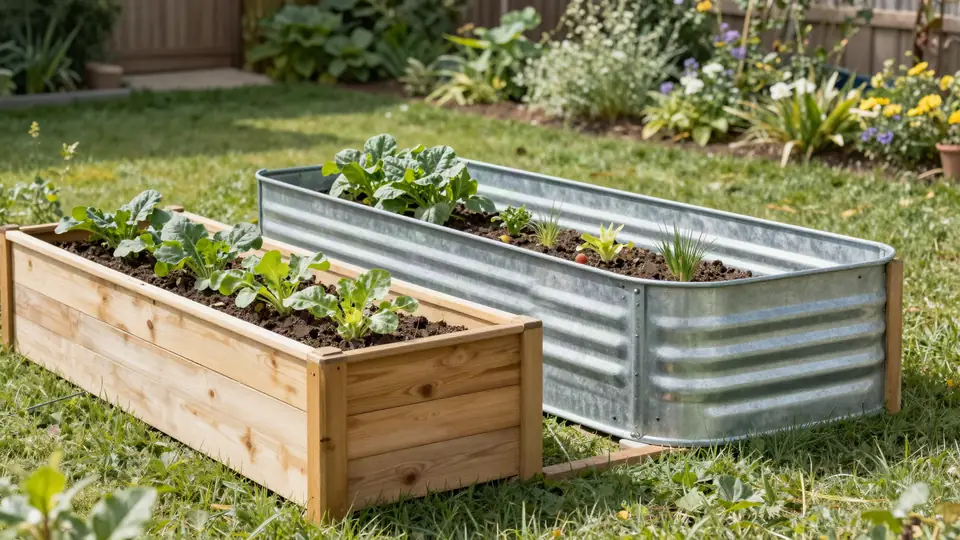
Galvanized vs cedar raised beds
Lifespan, heat, safety and assembly compared, with the honest limits of the data.
Raised Beds
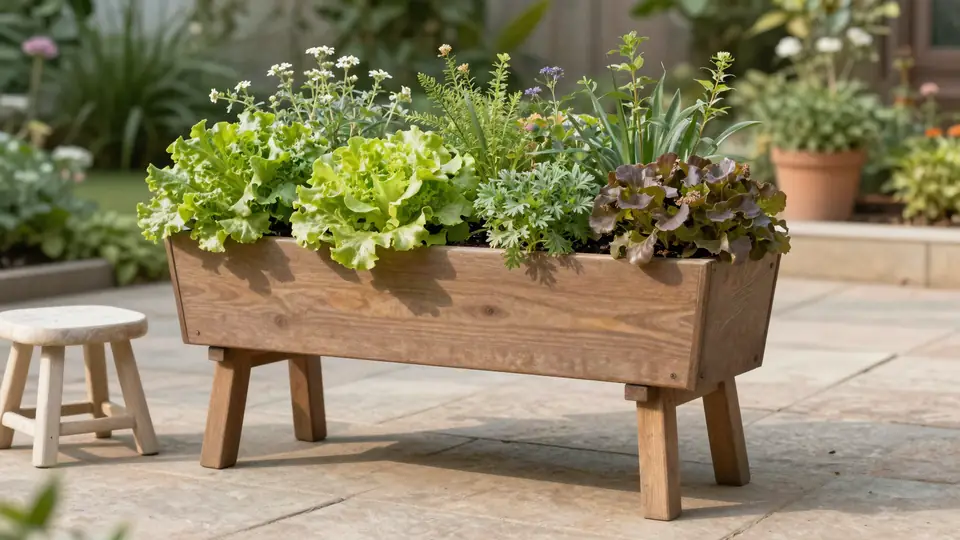
Raised bed height for bad knees
Which height suits standing, sitting or a wheelchair, and what each one costs in soil.
Raised Beds
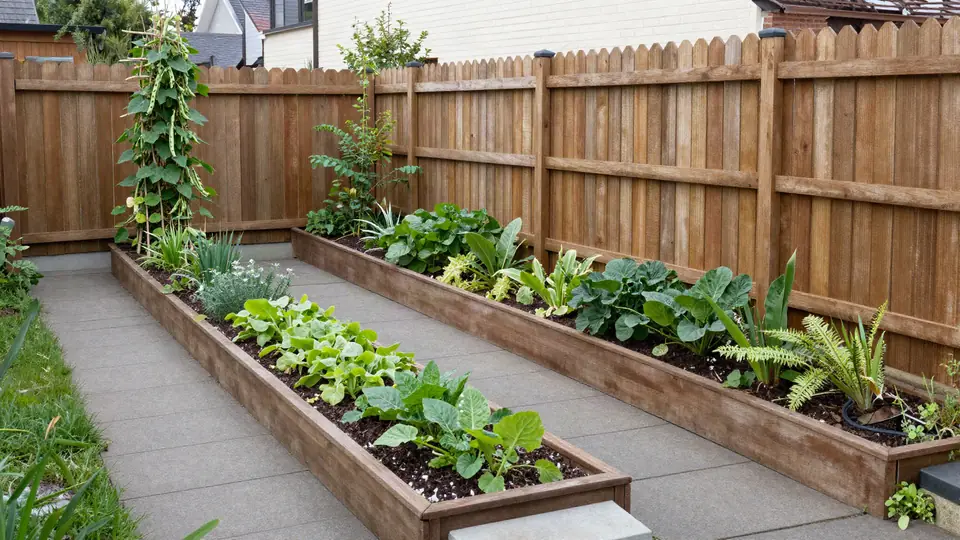
Narrow beds for a side yard
How wide to go, what to grow in shade, and what must stay clear.
Raised Beds
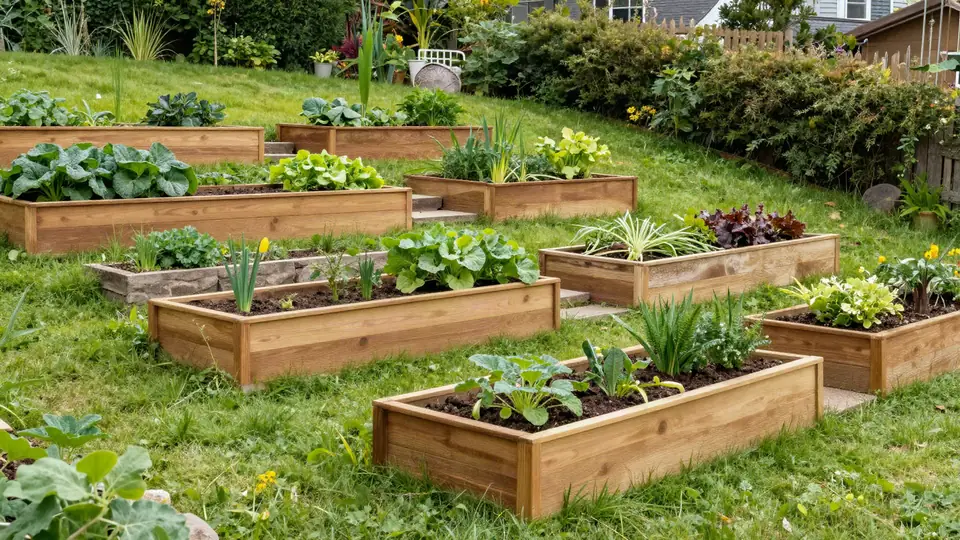
Raised beds on a sloped yard
Measure the drop, then dig in, step the sides or terrace.
Ready to compare kits?
Once you know your width, height and material, narrow your search to that exact format. See 4 × 8 raised bed kits on Amazon or browse galvanized options.