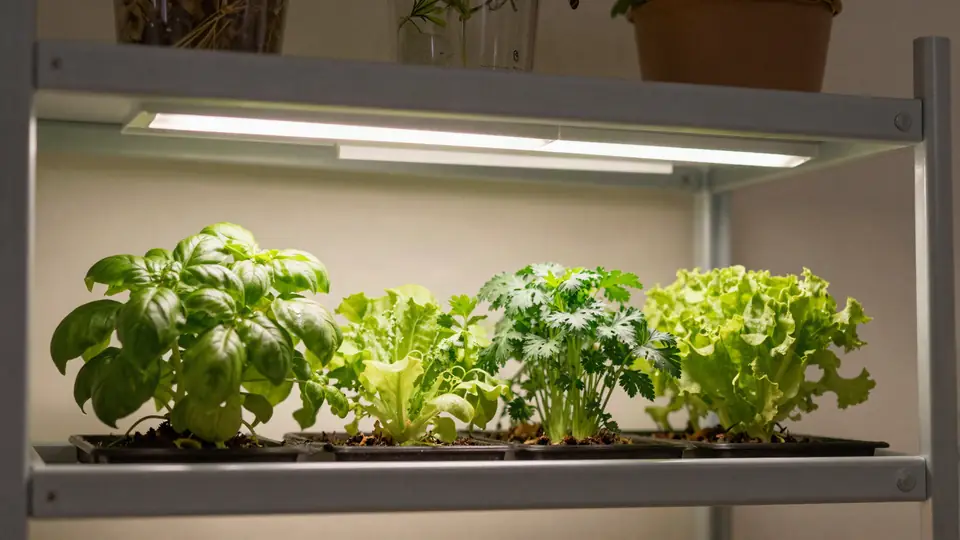
The three numbers that matter
- PPFD is the amount of usable light landing on a spot at one moment, in µmol/m²/s. It falls with distance and toward the edges of the light.
- DLI (daily light integral) is the total light in a day, in mol/m²/day. It's the best single target: DLI = PPFD × hours × 0.0036.
- Actual watts is the power a light really draws. Some listings advertise an "equivalent" wattage far above it. Use the actual draw for sizing and running cost.
How much light do your crops need?
| Crop | DLI target | PPFD at 16 hours |
|---|---|---|
| Seedlings | About 6–12 | About 105–210 |
| Leafy greens and herbs | 12 or more | 210 or more |
| Fruiting vegetables (minimum) | 15 or more | 260 or more |
| Productive indoor tomatoes | About 20–30 | About 350–520 |
Michigan State University lists 12 or more for leafy greens and herbs, and 15 or more for fruiting vegetables. Try your own light and schedule in the DLI calculator.
A quick way to estimate watts
When a maker doesn't publish a usable PPFD map, you can get a rough figure:
Watts ≈ target PPFD × area in m² ÷ (efficacy × share of light reaching the plants)
We assume 2.5 µmol/J efficacy for a good LED panel, 2.0 for a basic LED strip, and that 70–80% of the light lands on the plants. Those shares are our working assumptions rather than measurements. Use the result as a starting point.
What will it cost to run?
A 100-watt light running 16 hours a day uses 48 kWh a month. At the EIA's forecast 2026 US residential average of 18.2 cents per kWh, that's about $8.74 a month. Your rate may be very different, so try the grow light cost calculator.
Guides by setup
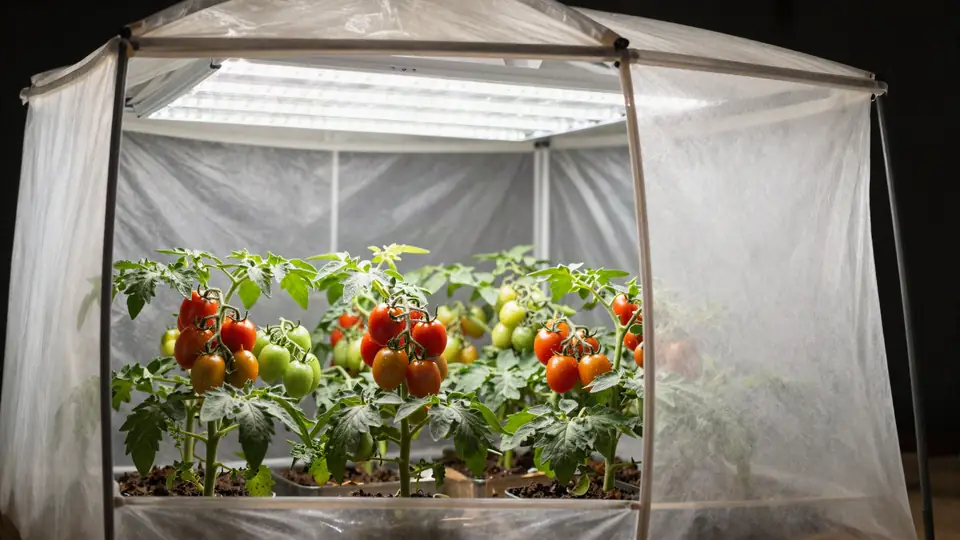
Grow light for a 3×3 tent of tomatoes
The target PPFD, actual watts and running cost for indoor tomatoes.
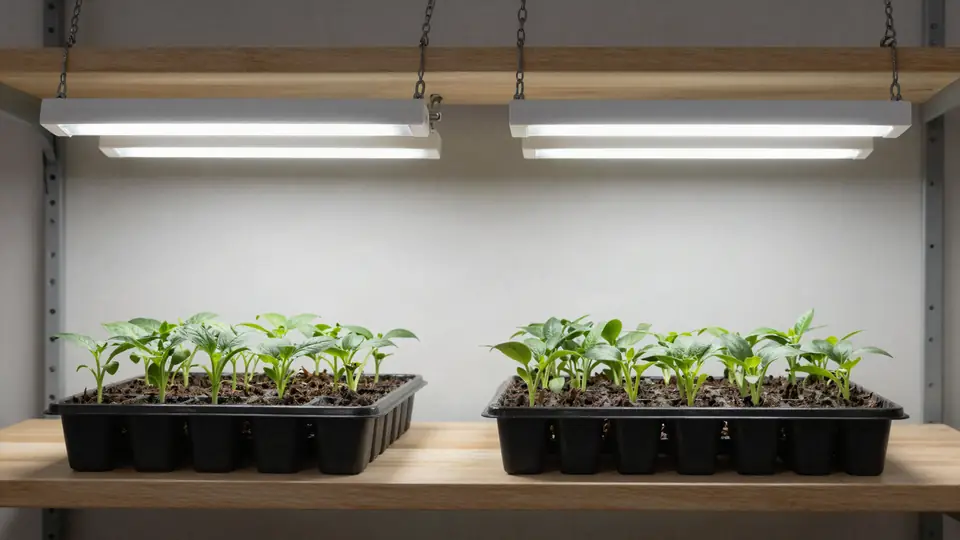
Grow light for a 4-foot seedling shelf
How much light seedlings need, how many strips to use, and how high to hang them.
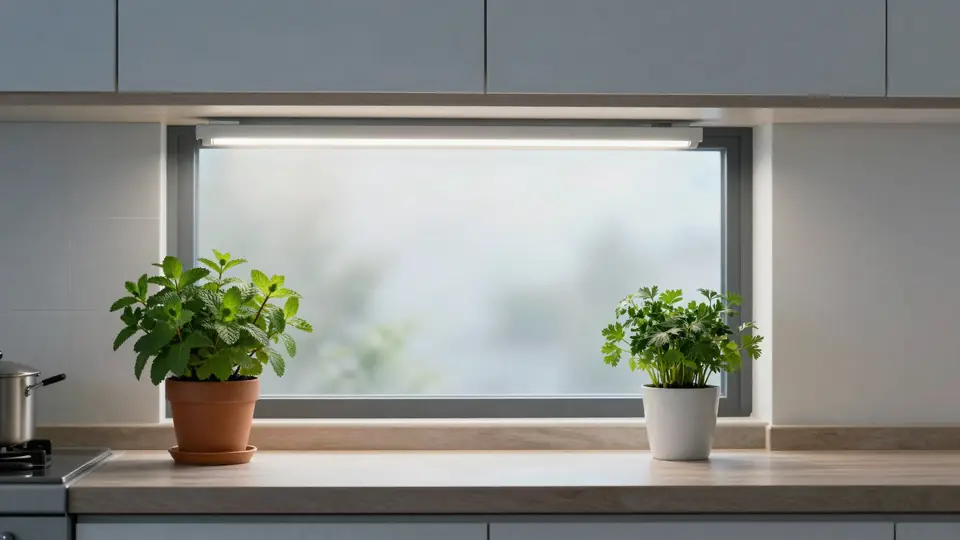
Herb light for a north-facing window
Why a north window falls short, and how much extra light herbs need.
Ready to shop?
Look for listings that state actual watts, efficacy in µmol/J and a PPFD map at a named hanging height. See dimmable LED grow lights on Amazon.